
Can You Get SSDI for Back Pain, Arthritis, or Other Chronic Pain?
Living with constant pain can make everyday activities difficult. Getting out of bed, standing long enough to cook, or sitting through a workday can leave you exhausted.
You have probably tried medication, physical therapy, or injections, hoping the pain would improve. But when it keeps coming back, getting through a normal workday can become difficult.
It is normal to worry about how much longer you can continue working and what you'll do if the pain becomes too much to manage. At some point, you might also think about whether your condition qualifies you for Social Security Disability Insurance (SSDI).
Well, the answer is yes: back pain, arthritis, and other chronic pain conditions might qualify you for SSDI. But the SSA won't approve your claim just because you've been diagnosed with one of these conditions or your pain is severe. It also needs to see how much your condition limits what you can do at work and whether you can still hold a job.
In this blog, we’ll talk about what conditions qualify, what evidence you need, and what you can do if your claim is denied.
What Types of Chronic Pain Conditions Can Qualify for SSDI?
The Social Security Administration (SSA) recognizes several medical conditions that can cause chronic pain and limit a person's ability to work.
Some common examples are as follows:
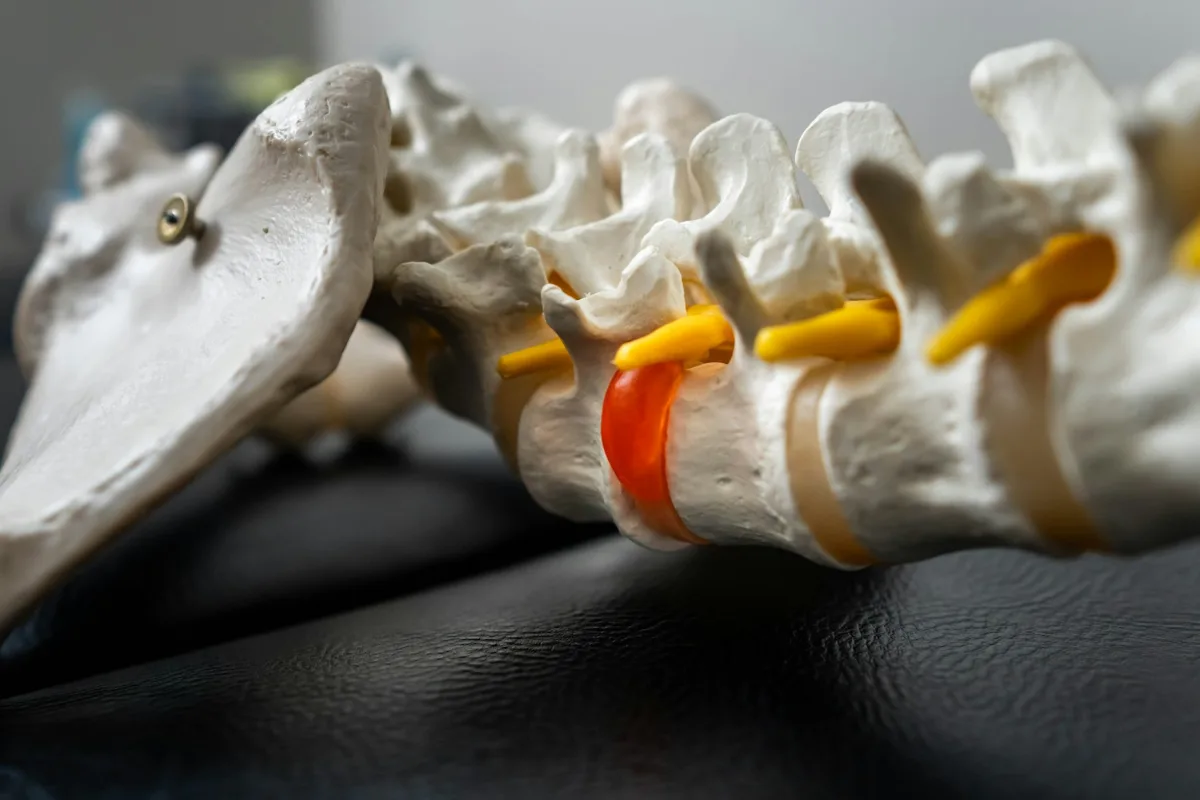
- Chronic back pain: Problems like spinal stenosis, herniated discs, and degenerative disc disease can cause persistent pain, stiffness, or weakness. In some cases, the pain can also spread from your lower back into your legs.
- Arthritis: Conditions like rheumatoid arthritis and osteoarthritis can cause joint pain, swelling, and stiffness, making everyday movements very difficult.
- Fibromyalgia: A condition that causes widespread pain and may also involve fatigue, poor sleep, and trouble concentrating.
- Chronic nerve pain: Conditions such as peripheral neuropathy that cause burning, numbness, or weakness.
- Other painful conditions: Some autoimmune diseases and injuries that cause lasting physical limitations.
But having one of these conditions doesn't always mean you'll qualify for SSDI. That's because the same condition can affect two people in very different ways.
For instance, one person with a spinal condition may still be able to work with treatment and reasonable adjustments. Another person with the same condition may struggle to sit, stand, or walk long enough to complete a normal workday.
The SSA considers these differences when reviewing disability claims.
What Does Social Security Look for When Reviewing Chronic Pain Claims?
The SSA doesn't approve disability benefits based on pain alone. It considers your medical evidence, symptoms, treatment, and ability to perform work-related activities.
Generally, your condition must prevent you from engaging in substantial gainful activity (SGA). It must also have lasted, or be expected to last, at least 12 consecutive months or result in death.
Here's what the SSA looks at more closely when evaluating your condition:
| What SSA reviews | Why Is It Important? |
| Medical diagnosis | Identifies the condition causing your symptoms |
| Medical records and test results | Help establish the severity of your condition |
| Treatment history | Shows what you've tried and how you've responded |
| Physical limitations | Explains problems with sitting, standing, lifting, or walking |
| Work history | Helps the SSA determine whether you can perform your previous work |
| Age, education, and skills | Helps determine whether you can adjust to other work |
The SSA also considers whether your symptoms are consistent with the medical and other evidence.
For example, if you report severe back pain, your records should include imaging results, physical examination findings, treatment notes, and descriptions of how your symptoms affect daily activities.
The more clearly your records explain your limitations, the easier it is for the SSA to evaluate your claim.
Does Back Pain or Arthritis Have to Meet a Blue Book Listing?
It’s not always necessary. The Social Security Administration (SSA) maintains a medical guide called the Blue Book. It lists medical conditions and the evidence needed to meet specific disability criteria.
For chronic back pain, arthritis, and related conditions, some relevant listings include:
- Listing 1.15: This listing covers spinal conditions that affect the nerve roots. You may experience pain that spreads to your arms or legs, muscle weakness, numbness, or other sensory changes. Imaging tests can also help show the problem.
- Listing 1.16: Lumbar spinal stenosis that causes specific medical and functional limitations.
- Listing 1.18: Abnormality of a major joint in any extremity, with qualifying medical and functional evidence.
- Listing 14.09: Inflammatory arthritis, including conditions such as rheumatoid arthritis, when the required medical and functional criteria are met.
But what if your condition does not meet any of these listings?
You may still qualify even if your condition doesn't meet a Blue Book listing. The SSA will look at your residual functional capacity (RFC) to find out how much you can still do physically and mentally with your condition.
For example, you may not meet the Blue Book requirements for a spinal condition, but your medical records may show that you cannot sit for extended periods, need frequent breaks, or cannot lift even light objects. These limitations may prevent you from maintaining a full-time job. That's why the SSA looks beyond the Blue Book listings to determine whether your limitations prevent you from doing your previous work or adjusting to another job. To understand the full process, read how to determine eligibility for Social Security disability.
| Call (800) 404-4458 for a Case Evaluation |
How Can You Prove Chronic Pain Prevents You From Working?
This is often the hardest part of a chronic pain disability claim.
Pain isn't always visible on an X-ray or MRI. And even when a test shows a medical problem, it may not explain how much that problem affects your daily life.
That's why your medical records should show more than just a diagnosis. Here’s what you can do:
1. Keep Records of Your Symptoms and Treatment
Regular medical appointments can help document changes in your condition.
Tell your doctor about specific problems, such as being unable to sit for more than 20 minutes or needing frequent breaks while standing.
Also, explain whether your medication causes drowsiness, dizziness, or other side effects that interfere with work.
2. Ask Your Doctor to Document Your Limitations
Your doctor's notes can help explain what activities you can perform and what you can’t.
For example, your records might describe difficulty bending, lifting, reaching, walking, or using your hands.
SSA considers medical opinions along with examination findings, treatment records, and other available evidence.
3. Explain What Happens During a Normal Day
Think about the activities you struggle with most.
Can you shop for groceries without stopping to rest? Do you need help getting dressed? Does pain interrupt your sleep and leave you tired during the day?
Be specific and truthful. Your answers should reflect both your better days and your worse days.
These details help SSA understand how your condition affects your functioning outside the doctor's office.
Can You Get SSI Benefits If You Don't Qualify for SSDI?
If chronic pain prevents you from working but you don't have enough work credits for SSDI, you may qualify for Supplemental Security Income (SSI) instead.
Both programs provide disability benefits, but they have different eligibility rules.
- SSDI is based on your work history. You generally need to have worked and paid Social Security taxes long enough to qualify.
- SSI is for people with limited income and resources. You don't need a work history to qualify.
Here's a simple comparison:
| Requirement | SSDI | SSI |
| Work history | Requires enough qualifying work credits | No work credits required |
| Income and savings | No general asset limit, but work earnings can affect eligibility | Strict income and resource limits |
| Medical disability | Must meet SSA's disability rules | Generally the same disability rules for adults |
| Monthly payments | Based on your covered earnings history | Based on income, living arrangements, and applicable payment rules |
You may also qualify for SSI if your SSDI payments are low enough and you meet SSI's income and resource limits.
If you're unsure which benefits you qualify for, an experienced SSI attorney can review your work history, income, and medical condition to help you understand your options.
Why Are Chronic Pain Disability Claims Sometimes Denied?
A denial doesn't always mean SSA believes you aren't experiencing pain. Sometimes, the available records don't establish how severely your condition limits your ability to work.
Common reasons include:
- Medical records don't adequately document functional limitations.
- SSA determines you can still perform your previous work.
- SSA finds you capable of adjusting to another type of work.
- The condition isn't expected to meet the required duration.
- The applicant doesn't meet SSDI work-credit or other eligibility requirements.
If your application is denied, read the notice carefully.
You generally have 60 days from the date you receive the notice to request reconsideration. The SSA usually assumes you received the notice five days after the date printed on it, unless you can prove otherwise.
If you need legal assistance, an SSDI lawyer can help you understand why your claim was denied, identify any missing medical evidence, and prepare your appeal.
Read More About
- Approved for Disability But No Payments? Here’s Why
- SSI for Children: Eligibility, How Parent Income Counts,
- Does a Government Shutdown Stop Your Disability Payments
Frequently Asked Questions About SSDI and Chronic Pain
1. Can I get SSDI if my MRI shows only mild back problems?
Possibly. MRI findings are only one part of the disability evaluation. SSA also considers your symptoms, physical examinations, treatment history, and ability to perform work activities.
However, your medical evidence must establish an impairment that could reasonably cause your symptoms. If your imaging looks mild but your limitations are serious, a disability attorney can help you understand what additional evidence may support your claim.
2. Can I apply for SSDI while receiving treatment for chronic pain?
Yes. You don't have to finish every possible treatment before applying for SSDI. However, SSA will consider your treatment history, response to treatment, and expected recovery.
If treatment hasn't helped, make sure your medical records explain that. If you stopped treatment due to cost, side effects, or another valid reason, explain the circumstances. An experienced SSDI lawyer can help you present that information accurately.
3. Can I qualify for disability if I have arthritis in both hands?
Yes, if your arthritis causes limitations severe enough to meet SSA's disability requirements. For example, difficulty gripping, handling objects, or using your fingers repeatedly may affect many jobs. SSA will consider your medical findings and whether you can still perform other work.
A disability lawyer can help you identify the records needed to explain how your hand problems affect your ability to work.
4. Can someone in Marysville qualify for SSDI if chronic pain prevents physical work?
Yes, but if you can no longer do physically demanding work, that doesn't necessarily mean you'll qualify for disability benefits. The SSA will also look at your age, education, and past jobs to see if there's another type of work you could still do.
For Marysville residents who previously worked in physically demanding jobs like construction, farming, or warehouse work, chronic pain can make it difficult to return to their usual duties. A disability attorney can help show how these limitations affect your ability to perform your previous job or adjust to other types of work.
Takeaway
Back pain, arthritis, and other chronic conditions can qualify for SSDI when they prevent you from maintaining substantial work and meet Social Security's medical requirements.
The key is showing how your condition affects your ability to work, not simply proving that you experience pain.
If your symptoms have made it impossible to continue working, consider speaking with a disability attorney who can review your eligibility and help you understand your options.
Take the Next Step Toward Disability Benefits With Hadley & Fraulob
Applying for disability benefits while dealing with chronic pain can be overwhelming, especially when your medical records don't fully explain what you're experiencing. If you are seeking a trusted Social Security disability lawyer in Marysville to guide you through the process, Hadley & Fraulob is here to help!
We understand the challenges people face when applying for SSDI and SSI benefits.
With more than 40 years of experience in Social Security disability law, our firm has helped thousands of people pursue the benefits they need. We handle disability claims from the initial application through appeals and hearings and have a success rate of 90%.
If you're looking for an SSDI lawyer in Marysville, our Social Security law firm can help you review your situation and determine your next steps.
Contact us at (800) 404-4458 to discuss your disability claim and learn how we can help!